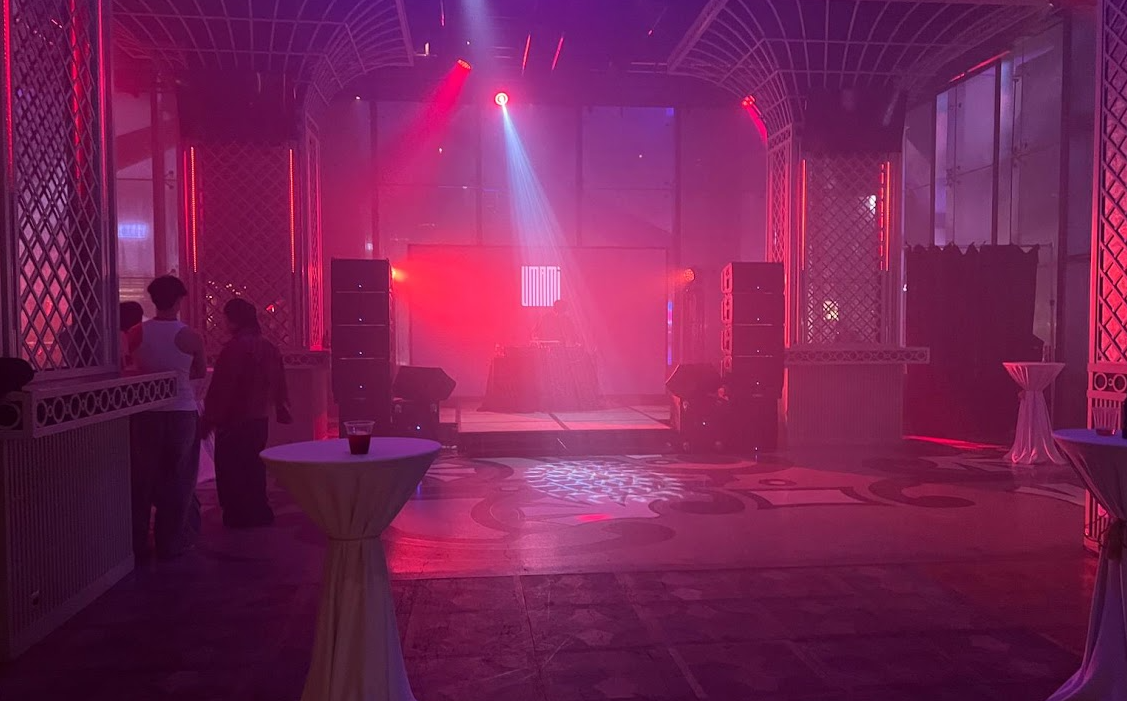

When specifying audio systems for commercial buildings, schools, hotels and healthcare facilities, real‑world venue requirements must be front‑of‑mind. Still, many people confuse public‑address (PA) systems with professional sound‑reinforcement (pro‑audio) systems. This article breaks down their core differences in detail.
While both set‑ups comprise microphones, power amplifiers and loudspeakers, they differ fundamentally in technical architecture and signal transport.
PA‑System vs Professional Sound‑Reinforcement System
1. Public‑Address (PA) System
PA systems are engineered for clear, intelligible human speech, optimised for the mid‑frequency vocal band (roughly 200 Hz – 8 kHz). High‑fidelity music reproduction is not a core design goal. Instead, priority is placed on long‑term reliability, low failure rates and even sound coverage across large areas.
In Singapore, building PA installations must comply with SCDF regulatory requirements and the national standard SS 546. These systems are not built for the extended frequency response or deep bass delivered by concert‑grade audio hardware. For this reason, installing only PA loudspeakers in a large lecture hall will yield muffled audio and make acoustic feedback (howling) extremely likely during major conferences.
Primary applications
- Background music playback
- Scheduled chimes and time‑triggered announcements (e.g. school bell alerts)
- Zone‑based paging and administrative notifications
- Emergency voice evacuation announcements
Real‑world PA‑system deployments across Singapore
- Changi Airport Terminals: Large‑scale multi‑zone constant‑voltage PA networks deliver background music, boarding calls, paging alerts and emergency evacuation instructions.
- Jewel Changi Airport: PA infrastructure manages background music across multiple retail zones and integrates with the building’s security monitoring platform.
- Raffles Institution: Distributed PA coverage for teaching blocks, corridors and communal areas handles daily bell signals, campus‑wide notices and disaster‑drill announcements.
2. Professional Sound‑Reinforcement (Pro‑Audio) System
Pro‑audio systems are built for full‑range frequency response, delivering refined audio quality and immersive live atmosphere. They produce crisp highs without harshness, powerful well‑defined bass and outstanding musical layering. They faithfully reproduce audio across the full frequency spectrum with minimal distortion and preserve fine sonic detail. Additional key performance attributes include high sound‑pressure levels, wide dynamic range and robust feedback suppression.
That said, pro‑audio set‑ups are poorly suited for mass notification across multi‑level shopping malls or office towers. Constant‑impedance loudspeaker drives cannot support very long cable runs; cabling costs become prohibitive, and native multi‑zone paging functionality is absent.
Primary applications
- High‑profile live music performances
- Keynote speeches and stage theatre productions
- Immersive spatial audio experiences
Singapore pro‑audio case studies
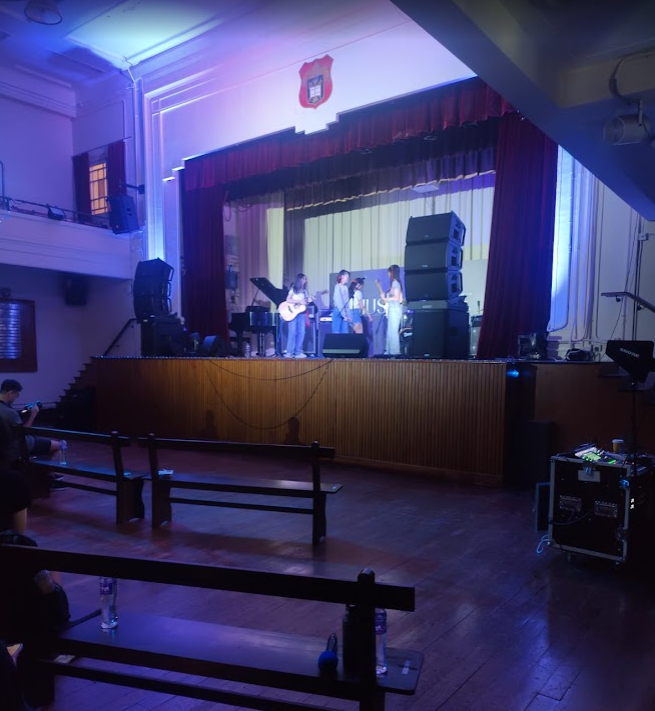
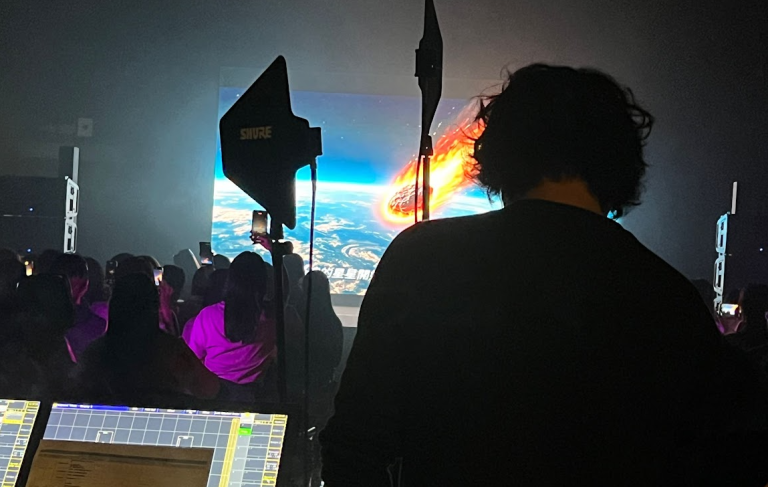
- The Star Theatre, Star Performing Arts Centre: Premium line‑array sound‑reinforcement hardware for international arena tours, large‑scale corporate summits and performing‑arts productions.
- Fairmont Ballroom, Raffles City Convention Centre: Multi‑channel high‑fidelity pro‑audio systems ideal for international symposiums, annual general meetings and gala dinners.
- Esplanade Concert Hall, Esplanade‑Theatres on the Bay: Precision‑tuned electro‑acoustic reinforcement hardware working in harmony with the venue’s natural architectural acoustics, optimised for symphonic and vocal performances.
PA System vs Pro‑Audio System
| Comparison Category | Public‑Address (PA) System | Professional Sound‑Reinforcement (Pro‑Audio) |
|---|---|---|
| Signal Transmission | Constant‑voltage transmission (70 V / 100 V high‑voltage standard) | Constant‑impedance drive (4 Ω / 8 Ω low‑impedance direct speaker drive) |
| Cabling & Topology | Supports long‑distance runs, parallel‑connected loudspeakers and daisy‑chain wiring with minimal line loss | Point‑to‑point wiring requiring heavy‑gauge oxygen‑free copper cable; limited maximum transmission distance |
| Frequency Response & Acoustics | Tuned for mid‑band speech (200 Hz – 8 kHz); limited low‑ and high‑frequency extension | Full‑range response (20 Hz – 20 kHz), capable of high SPL and wide dynamic‑range output |
| Zone‑Control Capability | Powerful digital matrix architecture supporting independent paging and playback across dozens to hundreds of zones | Optimised for single‑space reinforcement; no native complex multi‑zone partitioning |
| Mandatory System Integration | Legally required seamless integration with the building’s Fire Alarm System (FAS) | Operates independently within performance or conference spaces; carries no statutory emergency‑evacuation duties |
One‑Stop Audio Engineering & Equipment Rental Solutions
Media Flow Studio SG delivers specialised PA‑system rental and professional pro‑audio equipment rental services for Singapore‑based commercial organisations, corporate clients and performance venues. Our in‑house technical team provides end‑to‑end acoustic and electro‑acoustic support: on‑site acoustic surveys, requirement assessments and custom system design, together with full on‑site technical oversight.
Reach out to the Media Flow Studio SG team for custom‑tailored audio system proposals for corporate conferences, AGMs, gala banquets, product launches and commercial live‑entertainment events.
References
[1] Enterprise Singapore & Singapore Civil Defence Force (SCDF). Singapore Standard SS 546: Code of Practice for Emergency Voice Communication Systems in Buildings. Singapore Standards Council.
[2] Changi Airport Group. Terminal Infrastructure & Public Address System Integration Guidelines for Operations and Safety. CAG Airport Engineering Archive.
[3] Ministry of Education Singapore. Standard Mechanical & Electrical Specifications for Educational Institutions: Acoustic and PA System Design. MOE Infrastructure Division.
[4] Building and Construction Authority (BCA) Singapore. Code on Accessibility and Acoustic Performance Guidelines for Healthcare Facilities. BCA Technical Publications.
[5] Esplanade – Theatres on the Bay. Acoustic Engineering & Electro‑Acoustical Integration for Esplanade Concert Hall. Esplanade Technical Operations Document.
[6] Audio Engineering Society (AES) Singapore Chapter. Comparative Analysis of Constant Voltage vs. Constant Impedance Systems in Commercial and Performance Venues. AES Technical Report.
Disclaimer
All brand names, trademarks, performing‑arts venues and government‑body names mentioned in this article (including but not limited to the Singapore Civil Defence Force (SCDF), Changi Airport, Jewel Changi Airport, Raffles Institution, Sengkang General Hospital, Star Performing Arts Centre and Esplanade‑Theatres on the Bay, Marina Bay Sands) remain the intellectual property of their respective owners.
Technical standards and venue case studies cited in this article are compiled from publicly‑available industry resources, electro‑acoustic engineering codes and local construction experience. They serve purely for educational understanding, engineering reference and general information purposes.