
When organising corporate conferences and product launches across Singapore, most event organisers compare various audio rental packages.
Simply hiring PA equipment without access to on-site audio engineering support creates significant risks. Full-package professional sound rental includes comprehensive technical support to ensure smooth delivery for large-scale events. Many clients are unsure what these all-inclusive packages typically cover in Singapore and how much extra technical support they offer compared to dry equipment hire. This article breaks down the complete suite of services bundled within full-service professional PA rental solutions in Singapore.
What Services Are Included in a Full-Package Professional Sound Rental? Singapore PA System Guide
1. Pre-Event Venue Site Survey
Prior to the event, audio technicians conduct an on-site venue assessment covering the following key areas:
- Spatial constraints and rigging limits, including ceiling height and load capacity measurements. At major exhibition venues such as Sands Expo & Convention Centre and Suntec Singapore, technicians verify the maximum safe load rating of ceiling rigging points. For heritage venues including Capitol Theatre and CHIJMES, drilling into walls or structural beams is prohibited. Audio systems must therefore be mounted on freestanding ground-based stands or trussing.
- Acoustic reflection and reverberation analysis Many hotel ballrooms feature glass facades and marble flooring, which readily cause echo issues. Technicians evaluate reverberation times to fine-tune speaker aiming angles and downtilt. Outdoor venues such as Fort Canning Green demand high-powered main speakers and subwoofers alongside highly directional microphones.
- Power supply and cabling requirements Technicians inspect venue technical rooms to confirm availability of 32A or 63A three-phase power outlets. The audio system must be connected to an isolated power circuit, separate from kitchen appliances and air conditioning, with dedicated earthing.
2. Customised Professional Audio System Proposal
Upon completion of the venue survey, technicians prepare a tailored audio solution: https://mediaflowstudiosg.com/zh/pa-service/. To strike the optimal balance between audio performance and budget, speaker layouts and system configurations are designed according to event format and expected attendance figures. For a more detailed breakdown on selecting suitable audio setups: https://mediaflowstudiosg.com/zh/how-to-choose-pro-audio-rental-packages-for-events-across-different-venues-in-singapore/
3. Equipment Logistics & Transportation
Dry hire only covers AV equipment rental for organisations operating on tight budgets. For high-profile professional events, the full-service package is strongly recommended. Further reading: https://mediaflowstudiosg.com/zh/tv-screen-rental-singapore-corporate-av-solutions-guide/ The rental provider arranges specialist shock-resistant transportation to deliver speakers, mixing consoles and rigging hardware to the venue. To facilitate seamless delivery, clients need to complete these preparations: Submit vehicle registration numbers, driver and crew details to venue management in advance to obtain loading bay access permits. If hosting events within large commercial towers, exhibition halls or heritage buildings, assist the rental team in applying for Permits to Work. Confirm designated loading windows and reserve dedicated goods lifts early.
Venues in Singapore requiring pre-booked goods lifts include Sands Expo & Convention Centre, Suntec Singapore and Singapore EXPO.
Additionally, inform the rental team of loading bay height restrictions, goods lift dimensions and weight limits. Assign an on-site coordinator to meet the delivery crew at the loading zone, conduct equipment checks and sign delivery manifests.
4. On-Site Audio System Installation
Assembly, cable routing and setup of PA systems cannot be safely executed by untrained personnel: https://mediaflowstudiosg.com/zh/pa-service/. Reputable rental providers deploy qualified crews to mount speakers, run cabling, establish power connections and install cable ramps.
Where available, share accurate stage and audience seating layouts and clearly mark power inlet points for the audio team. If engaging multiple vendors, coordinate schedules between stage builders, LED wall technicians and lighting crews to avoid on-site scheduling conflicts.
5. Precision Audio Tuning
Building on data gathered during the pre-event site visit, technicians conduct professional acoustic calibration to adjust frequency response and signal delay, eliminating echoes and microphone feedback. Audio engineers remain on-site to support rehearsals. For full dress rehearsals, share the final run sheet and ensure emcees, speakers and performers arrive promptly for soundchecks.
Note that venue management should suspend all concurrent construction work such as hammering and drilling while technicians run pink noise tests and calibrate the audio system.
6. Dedicated On-Site Audio Engineer
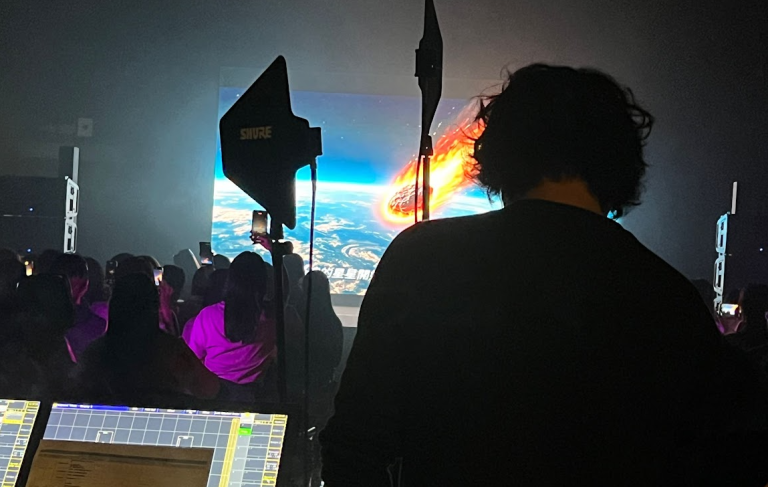
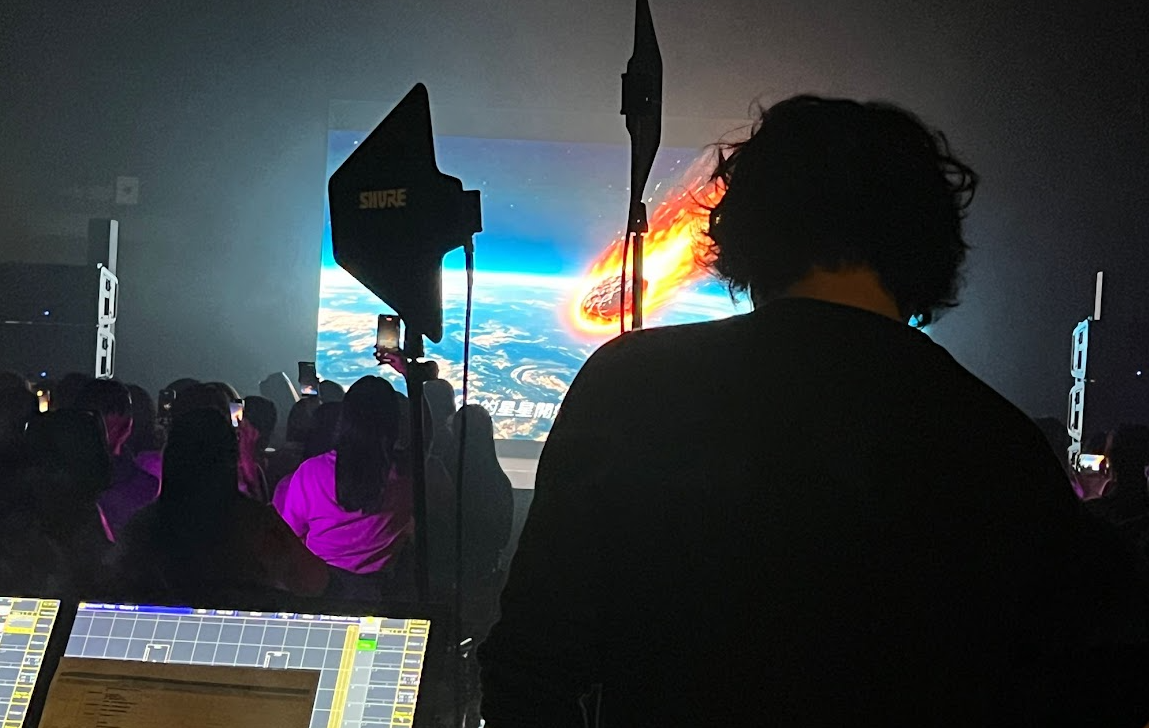
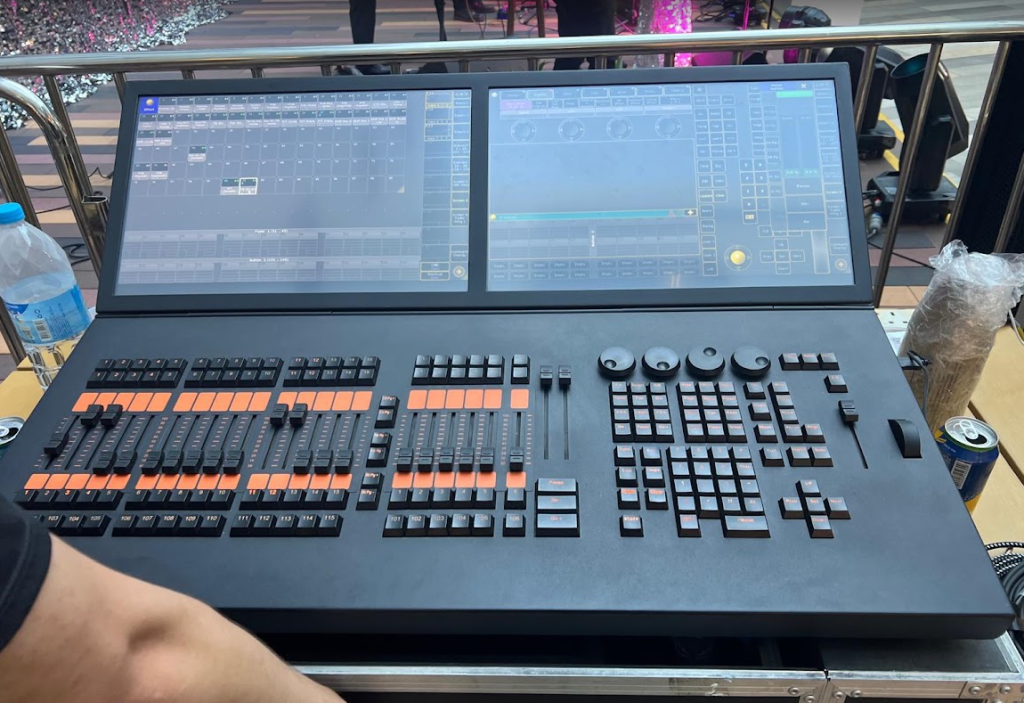
On event day, Mediaflow Studio assigns experienced audio engineers to man the mixing console, continuously adjusting volume levels, audio mixing and channel routing for optimal output. Engineers also actively manage frequency coordination for wireless microphones and headset transmitters.
Share all background music, pre-recorded footage audio and embedded audio from presentations with the audio team well before kickoff, supplying backup copies in high-quality formats such as WAV or MP3. Appoint a single stage manager as the sole point of contact for the mixing console to prevent miscommunication. Any last-minute additions to speaker lineups or programme changes must be communicated directly to the audio engineer.
7. Post-Event Venue Reinstatement
After the event concludes, the technical crew dismantles all equipment, removes cabling and restores the venue to its original condition. Outdoor venues including Fort Canning Green, Gardens by the Bay and Singapore Botanic Gardens enforce strict deadlines for removing generators, turf protection mats and trussing, alongside full clearance of cable ties and waste. Commercial towers such as Guoco Tower, MBFC and CapitaSpring only permit setup and teardown outside standard office hours. A teardown permit must be submitted to building management prior to load-out.
Event organisers should confirm hard deadlines for venue reinstatement and reserve goods lifts and loading bays for the removal phase. Conduct a full equipment stocktake together with the audio team before the logistics crew departs.
References
[1] Marina Bay Sands. Sands Expo & Convention Centre Event Technical and Rigging Guidelines. Marina Bay Sands Operations Manual.
[2] National Heritage Board (NHB). Preservation of Sites and Monuments: Guidelines for Event Organisers and Contractors in National Monuments. Government of Singapore.
、[3] Mediaflow Studio. Professional Audio Rental Guide | PA System Selection and Brand Recommendations for Singapore Venues.
[4] Mediaflow Studio. Simplified TV Screen Rental in Singapore – Local AV Rental Resources.
[5] Suntec Singapore Convention & Exhibition Centre. Organiser & Technical Service Manual: Loading Bay Access and Permit to Work (PTW) Regulations. Suntec Singapore Management.
[6] Workplace Safety and Health Council (WSHC). Technical Advisory on Workplace Safety and Health for the Entertainment and Events Industry. WSH Council Singapore.
[7] Info-communications Media Development Authority (IMDA). Technical Specifications and Frequency Allocation for Wireless Microphones and Audio Equipment in Singapore. IMDA Regulatory Guidelines.
Disclaimer
All information provided serves purely as general reference for event management services: https://www.dmxhk.com/event-management-services. The exact scope of services included within PA rental packages: https://mediaflowstudiosg.com/zh/pa-service/, electrical requirements, Permit to Work procedures and service terms are subject to the latest venue regulations and formal signed contracts with your chosen service provider.