
When organising events in Singapore, budgets are often constrained. Many event planners allocate most of their spending to stage visuals and venue rental, leaving audio budgets squeezed.
Having delivered audio engineering services for more than 120 MICE events across Singapore, we have observed that limited budgets increase risk: planners often only compare equipment specification sheets and underestimate acoustic hazards inherent to event venues. Even identical line array loudspeaker systems will deliver vastly different audio results when deployed inside a Marina Bay Sands ballroom versus an open lawn at Gardens by the Bay.
A common challenge for event organisers renting sound systems is this: quotations and spec sheets may appear to meet requirements, yet on-site, audio either lacks definition or suffers from overwhelming low-frequency boom. Success in sound rental depends not only on hardware but also the intangible expertise of the service provider. Singapore boasts a diverse roster of event venues, each with unique acoustic properties that demand custom audio designs and experienced technical teams[1].
1. Venue Assessment and Acoustic Calibration
When selecting sound rental services, higher-priced gear is not automatically the best fit. Event organisers should engage professional audio firms to conduct thorough pre-event venue assessments.
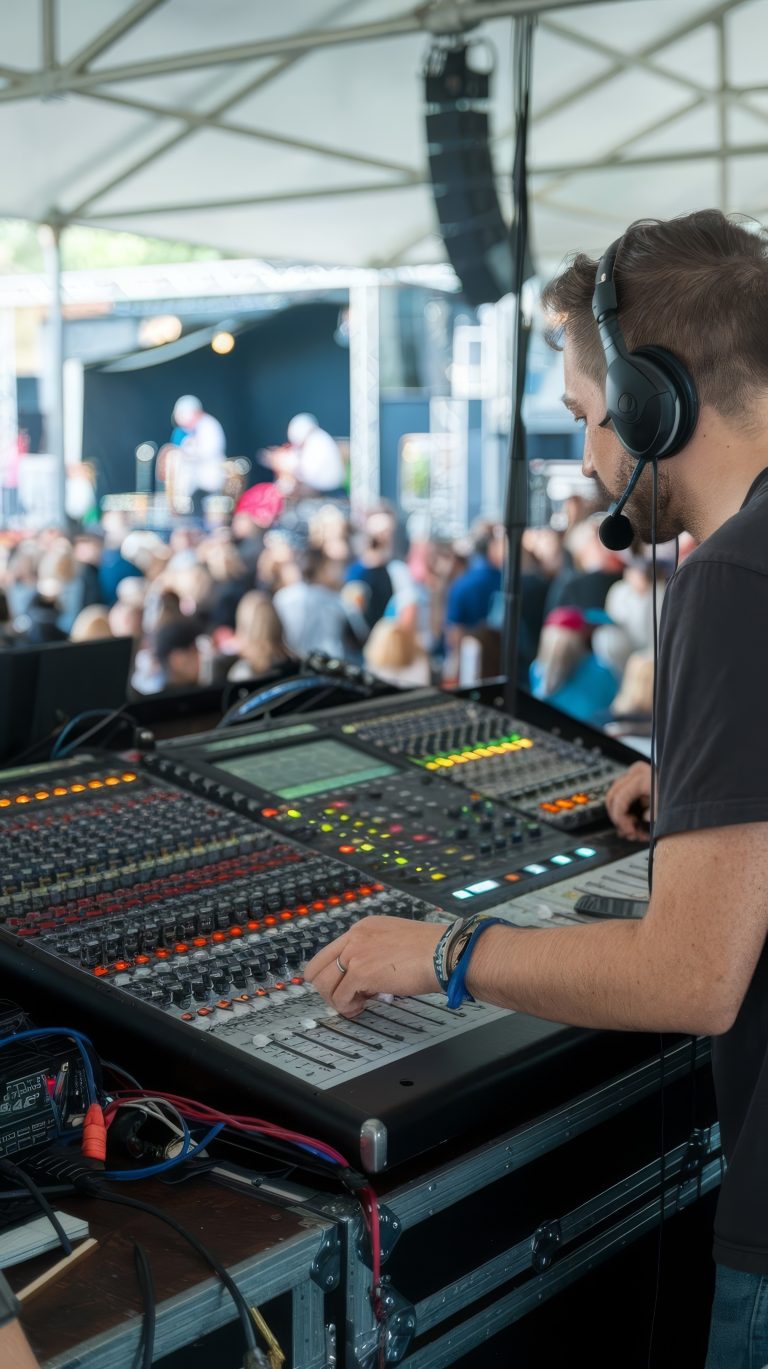
Reputable rental teams are far more than equipment logistics crews; they are skilled audio engineers capable of on-site acoustic tuning. They measure reverberation in spaces featuring glass curtain walls, high ceilings or marble flooring, then precisely align equalisation and audio delay to maximise system performance[2].
Singapore’s event venues vary widely in acoustic characteristics, as illustrated below:
Large Ballrooms (e.g., Marina Bay Sands Expo & Convention Centre)
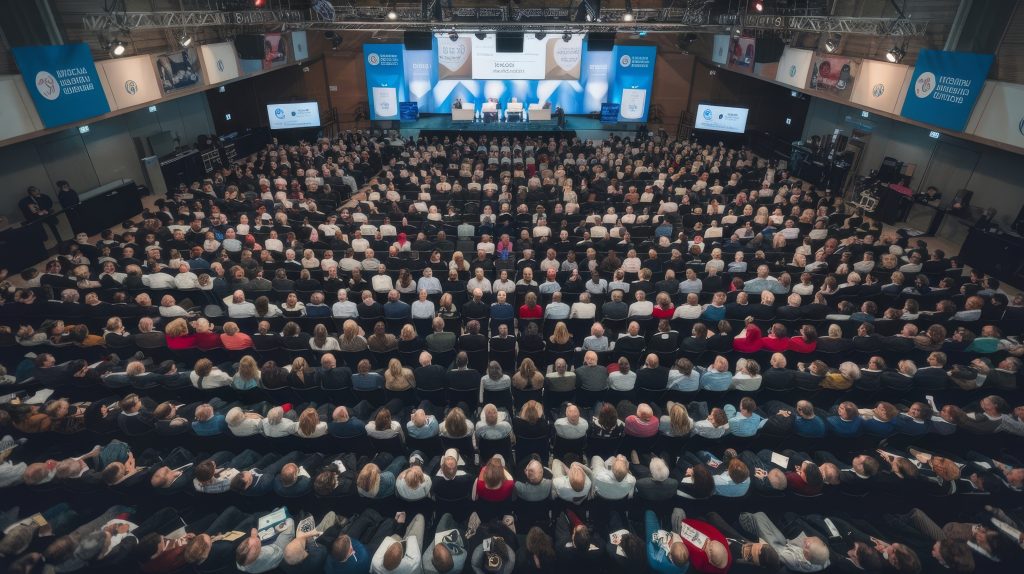
These expansive venues feature soaring ceilings, extensive glass facades and hard reflective floor surfaces. Sound waves readily undergo diffuse reflection, confusing the audience about the origin of sound. Long reverberation causes subsequent speech to overlap with the decay of previous words, rendering dialogue unintelligible. On-site engineers resolve these issues with meticulous delay tuning and distributed fill speakers. For a corporate summit held within the MBS Expo ballroom, the 12-metre ceiling yielded an initial reverberation time exceeding 2.8 seconds. Engineers utilised DSP delay alignment and zone-based fill loudspeakers to reduce speech reverberation below 1.6 seconds, eliminating muddy, overlapping dialogue.
Recommended system: Constant-directivity line arrays + distributed delay fills + digital signal processor (DSP)
Heritage Venues (e.g., The Alkaff Mansion and Capella Singapore, Sentosa)
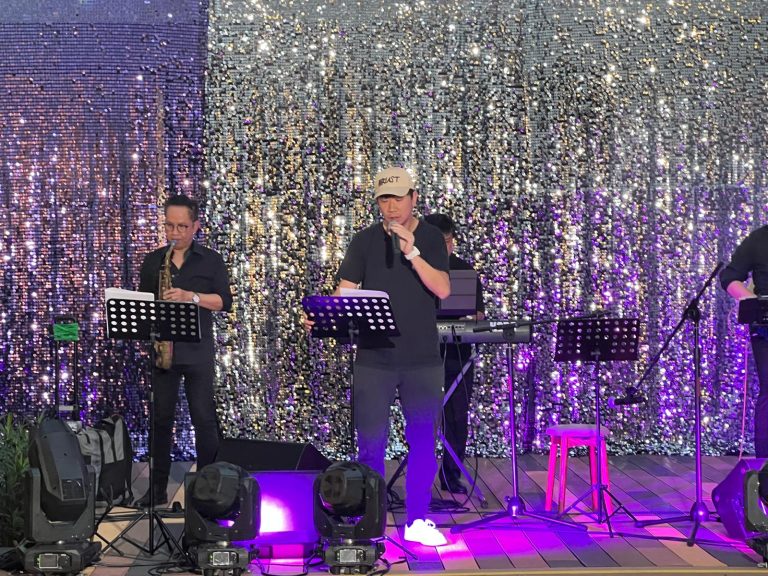
These colonial estates typically feature timber flooring, French windows and pitched high ceilings. Fragmented, irregular floorplans create uneven sound coverage with hot spots and quiet zones, placing strict demands on loudspeaker directivity control. Systems with tight directivity are essential here.
Recommended system: Point-source loudspeakers + compact subwoofers + distributed fill speakers
Outdoor Lawn and Waterfront Venues (e.g., Gardens by the Bay lawns and Sentosa outdoor sites)
Outdoor spaces lack reflective acoustic boundaries, so sound becomes progressively quieter with increasing distance from the stage. Sea wind and ambient background noise further degrade intelligibility, requiring high-power, high-throw line arrays. At waterfront sites such as Gardens by the Bay, coastal wind dissipates high-frequency PA. For a product launch event, our engineers first completed baseline noise surveys and deployed long-throw line arrays to overcome harsh outdoor acoustic conditions.
Recommended system: Medium-format line arrays + outfill loudspeakers + environmental weather protection
2. Hardware Redundancy and System Compatibility
Consistent, reliable audio reproduction is built on robust system architecture and quality hardware. For this reason, premium rental fleets feature flagship professional loudspeaker brands including L‑Acoustics, d&b audiotechnik and Meyer Sound.
Quick Reference for Premium Loudspeaker Selection
| Brand & Series | Core Acoustic Strength | Suitable Event Type |
|---|---|---|
| L-Acoustics (K / A Series) | Highly concentrated acoustic energy, exceptional throw and penetration | Large annual galas, high-ceiling pillarless ballrooms |
| d&b audiotechnik (SL / V Series) | Precision algorithmic directivity control, consistent frequency response across audience areas | Complex venues, heritage mansions, high-level summits |
| Meyer Sound (PANTHER Series) | Self-powered linear-phase design, ultra-low distortion and clean transient response | Product launches, live performances, premium galas |
Leading event practitioners design fail-safe redundant systems. Qualified technical teams build backup pathways covering digital mixing consoles, wireless microphone receiver frequencies and audio transmission links, to eliminate risk of signal dropout[3].
3. Field Operations: Value of Experienced On-Site Engineering
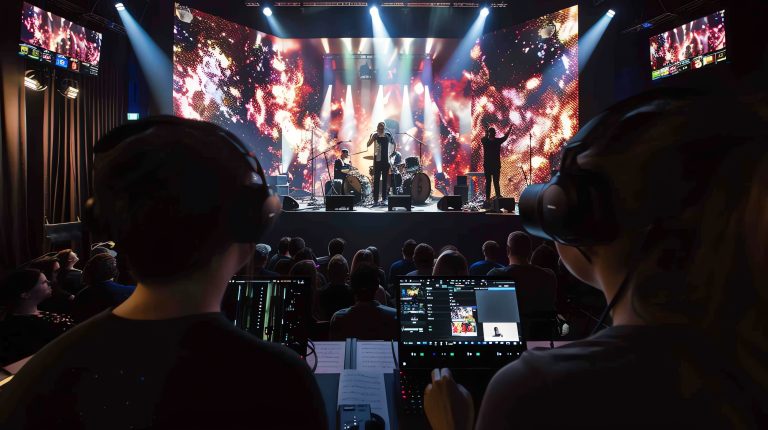
Even top-tier loudspeaker systems require seasoned audio engineers for precise tuning and real-time technical support to manage unexpected on-site incidents.
Skilled sound engineers flatten frequency response curves during rehearsals while retaining flexibility for live contingencies. When guest speakers produce sibilance or sudden plosive pops during panel interviews, engineers ride the channel fader to instantly reduce levels and prevent loudspeaker overload or clipped recording, restoring gain immediately after the transient passes.
For sharp, piercing sibilance concentrated between 6 kHz and 9 kHz, engineers activate a de-esser to attenuate high-frequency peaks only when sibilance occurs, preserving natural tone for normal speech. Where a dedicated de-esser is unavailable, narrow-band dynamic EQ delivers targeted attenuation.
Intermittent speech with crackling radio interference and dropped wireless microphone signals triggers an immediate switch to a backup microphone channel, maintaining uninterrupted presentation. The engineer then verifies receiver RF levels, identifies interfering frequencies, reassigns wireless channels and reorients antenna positions to fully resolve the fault[4].
If speaker volume fluctuates drastically due to movement, turning their head or varying distance from the microphone, a compressor is engaged. It tames loud peaks and lifts quiet passages to reduce dynamic range, paired with fine manual fader adjustments.
Common Pitfalls within Singapore Sound Equipment Quotations
- Quotations cover hardware rental only and exclude pre-event acoustic surveys, DSP programming and certified audio engineers, with extra charges applied on arrival.
- Invoices reference “line arrays” without specifying driver models or amplifier configurations, using small entertainment-grade line arrays misrepresented as convention-grade systems.
- No redundant signal routing; no backup microphones or signal paths if wireless transmission fails.
- On-site technicians are only trained to power equipment on and off, lacking expertise for reverberation management and dynamic audio processing, limited only to basic volume adjustments[5].
Conclusion
Within Singapore’s MICE industry, reliable PA quality relies on more than premium hardware. It is a combination of engineering skill, field experience and accountability. Partner with acoustically passionate technical PA teams to deliver dependable audio for your events.
Author: Alexander Shaw
Professional Audio Systems Engineer specialising in Singapore MICE audio projects. Has delivered audio engineering for corporate summits and brand launches at venues including Marina Bay Sands, Capella Singapore and Gardens by the Bay.
Legal Disclaimer
This article presents general guidance for PA system rental and event acoustics in Singapore. It does not constitute binding technical consulting advice. Acoustic outcomes vary by venue layout, audience size, event programme and local regulatory requirements. Readers should conduct independent venue surveys and engage certified AV professionals for customised designs. The author assumes no liability for any losses, disruptions or subpar performance arising from reliance on this content.
Reference
[1] AVIXA. Guidelines for Audio Systems in Meeting & Conference Spaces.
[2] ISO. ISO 3382-1:2009 Acoustics — Measurement of room acoustic parameters.
[3] AES. Audio Engineering Society Recommended Practice for Live Sound System Redundancy.
[4] IMDA Singapore. Wireless Microphone & Portable RF Device Regulatory Guidelines.
[5] SACEOS. Singapore MICE Event Technical Best Practices Guide.
[6] L-Acoustics. Line Array Directivity & Venue Acoustics Whitepaper.
[7] d&b audiotechnik. Controlling Sound in Complex Architectural Spaces.
[8] Meyer Sound. Linear Phase Loudspeaker Technology for Speech Intelligibility.
[9] CEDIA. Acoustic Design for Commercial Event Spaces.
[10] IEC. IEC 60268 Loudspeakers, performance parameters for sound reinforcement.