
Don’t Judge Sound Rental Only by Quotations: Comparing 3 Common Pricing Models in Singapore
When sourcing audio vendors for events in Singapore, planners often wonder: why do different PA system suppliers quote vastly different prices for seemingly identical branded equipment? This confusion is understandable.
Some providers charge on a daily rental basis, while others offer all-in bundled packages, and the fine print carries substantial implications.
Below are the three mainstream pricing structures widely used within Singapore’s local sound rental market:
1. Daily & A-La-Carte Equipment Rental
Pricing mechanism: Charged by the number of rental days. Main loudspeakers, digital mixers, wireless microphones and DI boxes are individually priced and summed up. For example, a basic PA package (2 active speakers such as QSC K12.2, JBL EON or Yamaha equivalents, compact mixer, 2 wireless microphones plus stands and cabling) generally costs SGD 150–350 per day.
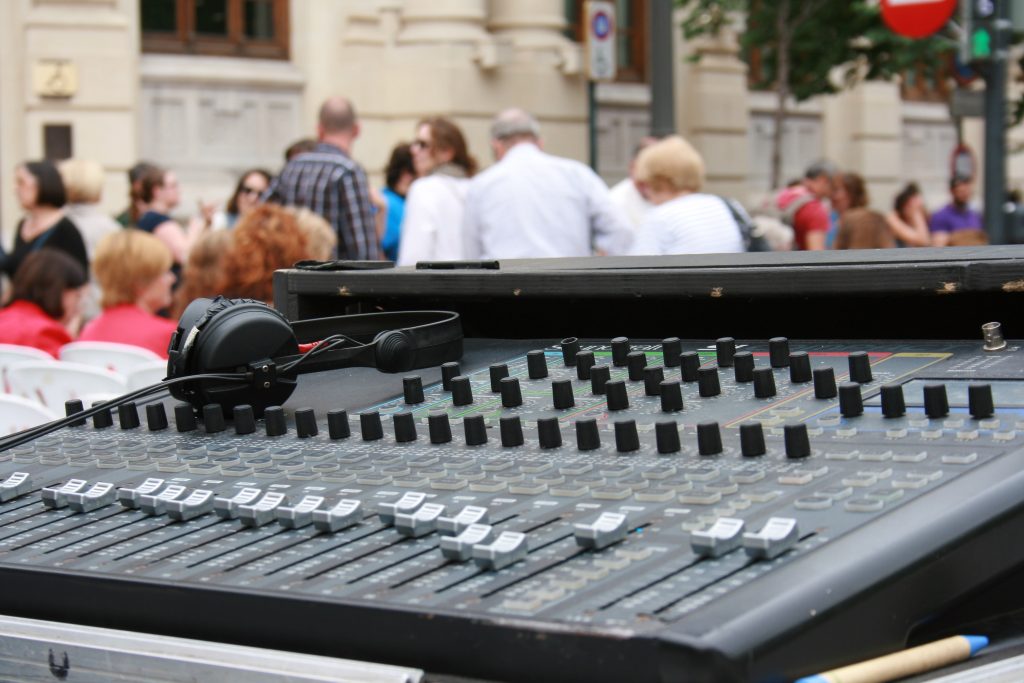
High-end line array systems almost always require a dedicated sound engineer on-site, costing SGD 800–1,500+ per day. These setups typically feature flagship international brands such as d&b and L‑Acoustics line arrays.
When comparing quotations, always verify whether delivery and setup labour are included. Any excluded items must be clarified for estimated additional costs to prevent budget overruns. Venues within the CBD such as Marina Bay Sands or Suntec City, or events requiring load-in after hours, may attract extra ERP surcharges or night labour fees, which need to be factored in[1].
Best suited for: Experienced event coordinators or small production houses. You select models according to actual requirements and rent only what you need for optimal cost efficiency. No extra fees for an on-site sound engineer are required.
2. All-Inclusive On-Site Service Packages
Pricing mechanism: Fixed lump-sum pricing per event or event type. For instance, for a corporate gala hosted at The Fullerton Hotel, the rental firm will quote one consolidated price covering audio hardware and manpower for the full event. Clients do not manage operational details internally (only designated liaison staff are required).
All-in packages commonly include a defined speaker quantity, mixing console, a set of wireless microphones plus a dedicated sound engineer for the entire event duration.
Key benefit: Peace of mind. Labour costs in Singapore are high, and this bundled model covers hardware, logistics and technical manpower. It works well for organisers who prefer avoiding granular operational hassles.
Best suited for: Corporate HR teams, administrative staff or wedding clients. Live events carry risks of unexpected technical faults, and this purchase model secures on-site audio support for greater reassurance.
3. Long-Term & Multi-Day Rental Agreements
Pricing mechanism: Custom quotations for large-scale arts festivals, consecutive roadshows and expos such as EXPO exhibitions. Generally, the longer the rental tenure, the lower the average daily rate.
For high-value contracts of this scale, negotiate a standby spare equipment clause. If a wireless microphone fails mid-event, the supplier will deploy replacement units within a short timeframe.
Best suited for: MICE organisers running recurring events, brand pop-ups and multi-day cultural performances. Establishing a standing audio rental agreement with a trusted vendor reduces per-unit costs and cuts down repeated vendor onboarding and communication overhead.
Industry Compliance Note (BizSafe & Rigging Safety)
When deploying large line array rigs at major Singapore venues, reputable sound rental companies must hold MOM-recognised BizSafe certification (Level 3 or higher). Technicians executing rigging works must hold valid working-at-height and safety qualifications[2].
💡 Expert Tip
While comparing quotes in Singapore, never focus solely on the bottom-line figure. Always request a line-item quotation. Prioritise verifying three critical details: Are delivery and load-in charges included? Are there surcharges for late-night strike-down? Does the package include a technically competent, practising sound engineer? Cutting a small amount from equipment rental fees can lead to costly audio failures on event day. The value of a skilled sound engineer should never be overlooked.
FAQ on Sound Rental Pricing in Singapore
Q1: Why do some quotes start at SGD 150 while others exceed SGD 1,000?
A: Price gaps stem from equipment tier, system scale and manpower services.
- Budget tier: Commercial brands including QSC, Yamaha and JBL; pure equipment rental only. Client self-collection or basic delivery only.
- Premium tier (SGD 800–1,500+ / day): Flagship international line array systems, usually with an on-site professional sound engineer. Premium systems such as d&b or Meyer Sound carry high upfront capital expenditure. Amplifiers, processors and speaker drivers also incur steep maintenance costs in Singapore’s humid tropical climate. Reputable operators budget for periodic factory recalibration, cable insulation testing and spare component depreciation within their pricing[3].
Q2: Can I secure discounts for multi-day events?
A: Discount eligibility varies by vendor. For expos, multi-day pop-ups and arts festivals, some suppliers offer long-term rental concessions. Direct negotiation with your provider is required.
Q3: Should I pick a-la-carte daily rental or an all-in package on a tight budget?
A: A-la-carte daily rental saves money if your company has technically proficient IT staff and the venue is compact. For corporate galas or product launches with near-zero tolerance for failure, select the all-in service package. The incremental cost buys robust technical safeguards and mitigates live-event risks.
Q4: What exactly does an on-site soundman included in a package do?
A: Many underestimate the scope of a sound engineer’s role. Core responsibilities include pre-event system setup, on-site acoustic calibration and soundcheck. During the function, they man the mixing console, manage background music and SFX, route video audio feeds and resolve unexpected noise issues. Post-event, they oversee safe system strike and arrange equipment return logistics.
Q5: What payment options are available for sound rental in Singapore?
A: Payment methods depend on vendor size. Smaller operators commonly accept PayNow, NETS, bank transfer or cash. Singapore-registered Pte Ltd corporate customers may apply for 30-day credit terms subject to credit review, settled via corporate bank transfer.
Q6: Is the deposit refundable if I cancel my event at short notice?
A: Singapore’s rental market enforces strict cancellation policies. Contracts normally specify compensation for reserved time lost due to early termination. If event timelines are uncertain, negotiate force majeure clauses (covering pandemic disruptions, extreme weather etc.) before signing[4].
Disclaimer
This article serves only as general educational guidance for audio equipment rental and commercial event planning in Singapore. It does not constitute legal, commercial or binding technical consultancy. Pricing, contract terms, labour regulations and venue requirements differ between vendors, locations and event scales. All parties must review rental contracts independently and engage qualified AV and legal professionals before entering any commercial agreement. The author accepts no liability for financial losses, event disruptions or contractual disputes arising from reliance on this content.
Reference
[1] SACEOS. MICE Event Vendor Quotation & Cost Breakdown Best Practices.
[2] MOM Singapore. BizSafe Certification & Working at Height Regulations.
[3] AVIXA. Audio Reinforcement Equipment Maintenance for Tropical Environments.
[4] LawNet Singapore. Commercial Contract & Force Majeure Clauses for Event Services.
[5] AES. Live Sound Production Cost Modelling for Commercial Events.
[6] d&b audiotechnik. Rigging Safety Guidelines for Line Array Systems.
[7] L-Acoustics. Field Maintenance of Loudspeaker Systems in Humid Climates.
[8] IMDA Singapore. RF Equipment Deployment Guidelines for Live Events.
[9] CEDIA. Commercial AV Quotation Line-Item Best Practices.
[10] ISO. ISO 12488: Acoustics — Sound reinforcement systems for events.