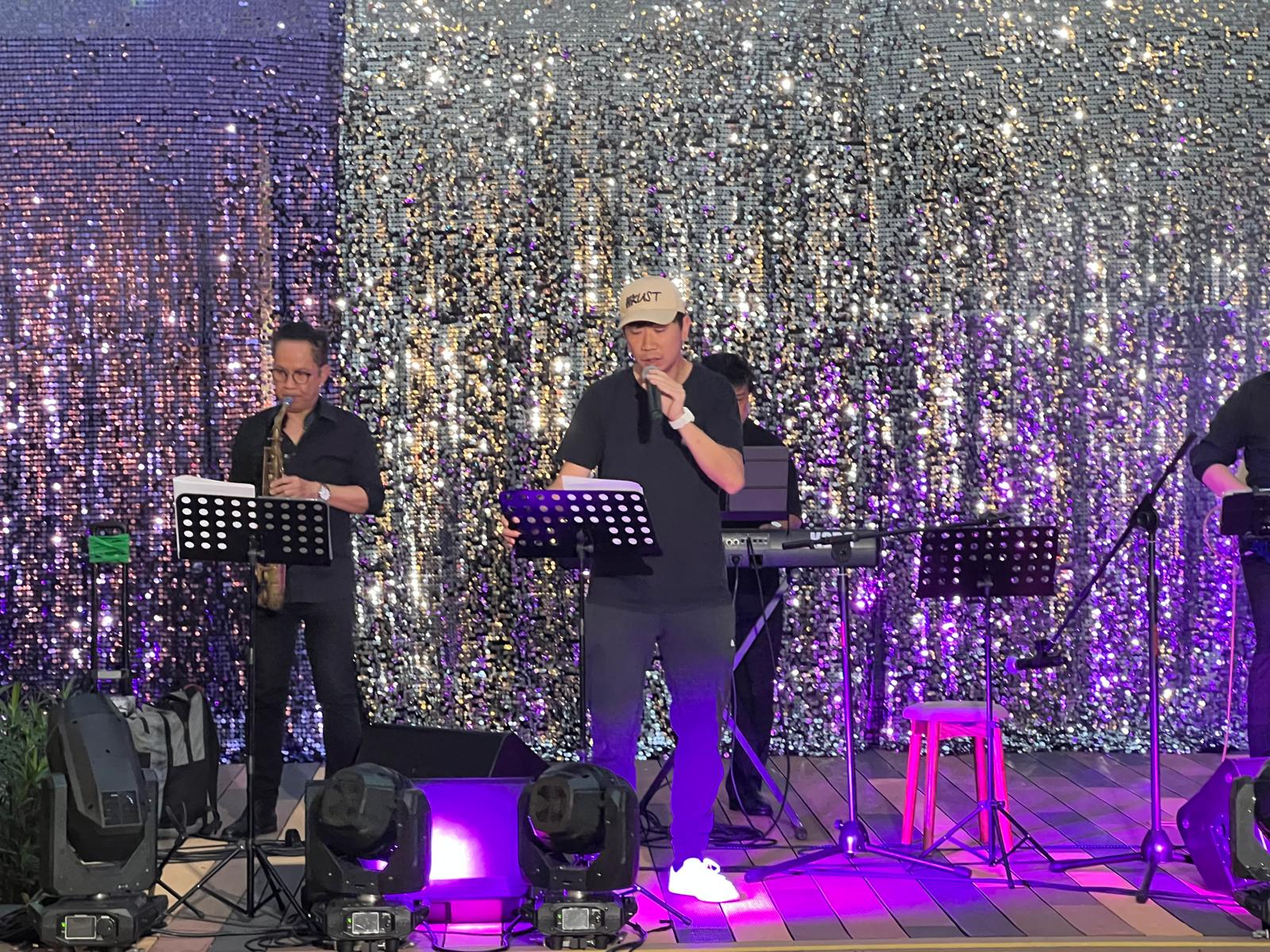

When renting wooden stages for outdoor events, proper rain shielding, moisture management and ground levelling are non-negotiable.
Outdoor sites such as grass fields, muddy terrain and uneven plazas feature irregular ground surfaces. Without levelling, misalignment at wooden stage panel joints creates trip and fall hazards for performers and guests, risking twisted ankles. More critically, uneven load distribution can lead to structural collapse. This risk amplifies when the stage supports crowds, sound systems, LED screens and lighting rigs.
Wooden stages also demand careful upkeep to preserve service life. Timber readily absorbs ambient moisture; prolonged dampness causes swelling, warping and rot, which can render expensive rented wooden stages unusable. This guide covers key best practices for rain protection, moisture control and ground levelling for rented outdoor wooden stages.
I. Renting Wooden Stages for Outdoor Events in Singapore: Ground Levelling
When organising outdoor events in Singapore, grass, mud and paved stone surfaces are rarely perfectly flat. Ground levelling forms the very first step for wooden stage erection.
Prioritise firm, level ground for stage installation. If construction on grass or mud is unavoidable, conduct a pre-site load-bearing assessment to prevent subsidence under heavy crowds. For example, outdoor concerts held on lawns at Singapore Botanic Gardens sit atop soft turf and soil, making levelling and base plate reinforcement especially critical. Unaddressed uneven ground may cause tilting or sinking.
Use height-adjustable scaffolding supports beneath the wooden stage. Technicians should take multiple readings with a spirit level during assembly to fine-tune for a true horizontal plane. On soft lawns, place timber planks or steel base plates under scaffolding feet to stop sinking.
II. Moisture Control
As noted earlier, timber absorbs moisture easily, even wooden stages with factory-applied surface moisture treatments. Key moisture mitigation tactics:
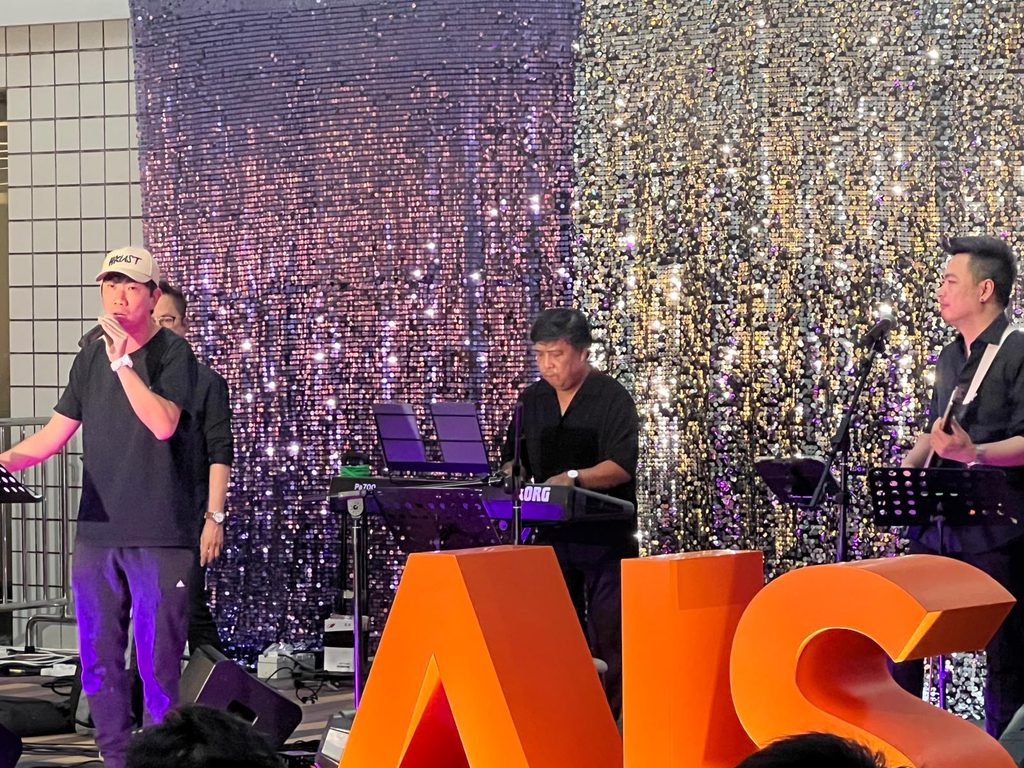
- Elevated moisture barrier: Raised stage construction is the standard moisture-control method for humid tropical climates. Wooden stage decks must never sit directly on the ground. A steel subframe lifts the entire deck to enable airflow and reduce moisture exposure. During a build at The Float @ Marina Bay, our team experienced high coastal humidity. We deployed a fully elevated steel framework plus moisture barrier sheeting, a proven reliable solution.
- Moisture-resistant or waterproof panel selection: When booking rentals, ask your supplier whether wooden stage tops have undergone waterproofing or preservative treatment.
- Moisture barriers or event carpeting: During Singapore’s wet season, lay moisture membranes or temporary event carpets over the wooden stage surface for moisture resistance and slip prevention.
III. Rain Protection
Singapore’s northeast monsoon wet season runs from November to January, when sudden rainfall is highly probable. If your event proceeds during this window, a robust rainy-day contingency plan is essential.
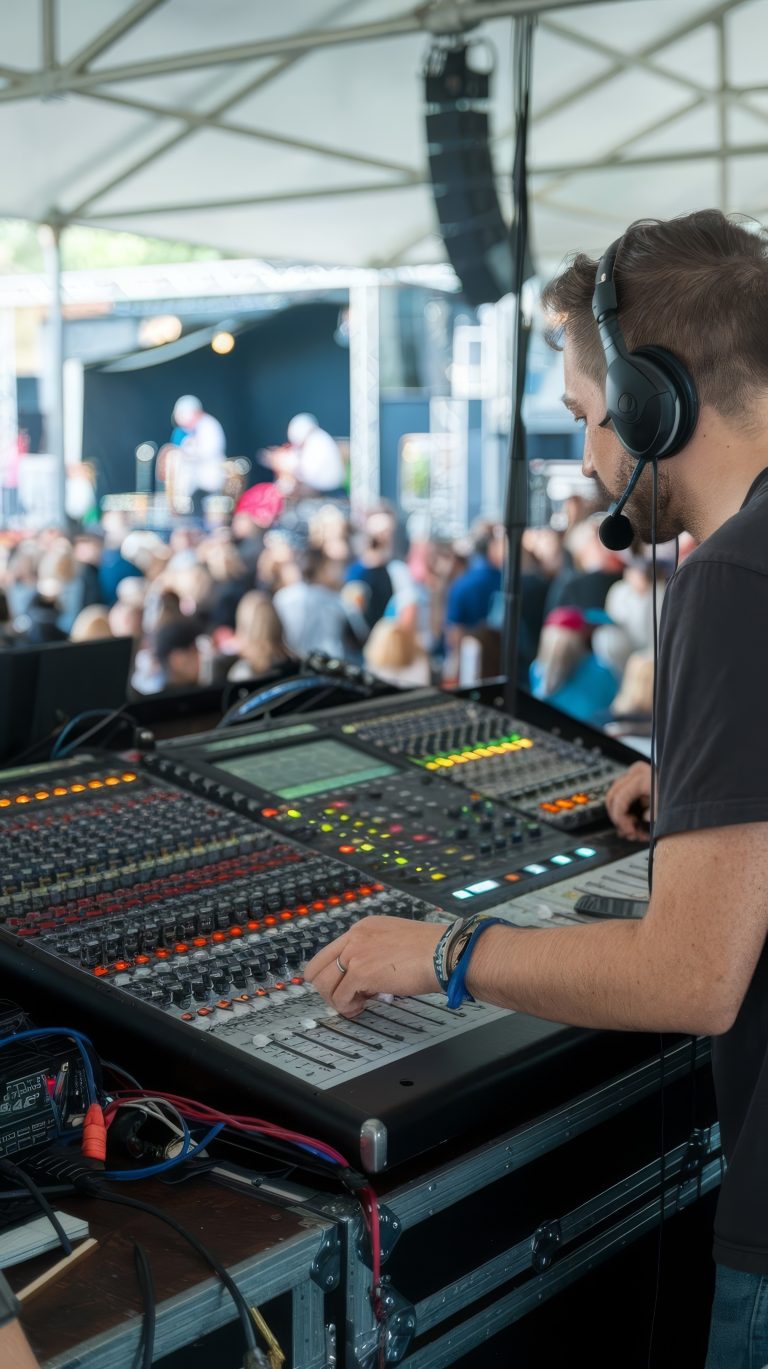
- Overhead canopy construction: Install sturdy professional marquees, tents or truss-supported canopies above the wooden stage. The canopy footprint should extend beyond the stage perimeter, diverting rainwater away from the deck.
- Drainage planning: Heavy rainfall causes pooling around stage perimeters. Integrate drainage during setup to avoid backflow and flooding onto the stage.
- Waterproofing for equipment and wiring: Sound, lighting and screen hardware on stage requires full waterproof protection. Specify water-rated equipment alongside external shielding to prevent damage.
- Anti-slip treatment: Wet wooden decking becomes slippery. Fit anti-slip event carpets or adhesive anti-slip strips across the stage surface.
Sudden afternoon thunderstorms are common across Singapore. One open-air arts event at Fort Canning Park succeeded despite rain, thanks to pre-planned extended canopy coverage, drainage channels and anti-slip carpeting.
For outdoor event planning, consult an experienced staging contractor at an early stage.
Legal Disclaimer
This content serves only as general operational guidance and does not constitute structural engineering advice. All wooden stage installations must comply with local building safety regulations and site-specific risk assessments. Engage qualified professional staging engineers to inspect site conditions and validate structural safety before erection. Weather performance is subject to actual site terrain, rainfall intensity and workmanship.
References
- National Parks Board (NParks). Guidelines for Outdoor Event Setup on Park Green Spaces, Singapore.
- Building and Construction Authority (BCA). Temporary Stage & Event Structure Safety Guidelines.
- Singapore Civil Defence Force (SCDF). Event Temporary Structures Safety Advisory.
- SS 532:2016, Singapore Standard for Temporary Event Structures.
- NParks. Site Assessment Checklist for Outdoor Lawn Events.
- Timber Research and Development Association (TRADA). Timber Decking Moisture & Weathering Best Practice.
- Occupational Safety and Health Administration (OSHA). Portable Stage Fall Protection Guidance.
- Event Industry Council. Outdoor Temporary Ground Support & Levelling Best Practices.